












Introduction
Burnout is not simply fatigue, it is a state of emotional, mental, and physical exhaustion caused by prolonged stress. It often leads to reduced motivation, decreased performance, and a sense of detachment from work. While taking time off is sometimes necessary, there are practical strategies you can apply immediately to regain momentum and restore focus without disrupting your workflow entirely.
Break Your Work Into Smaller Tasks
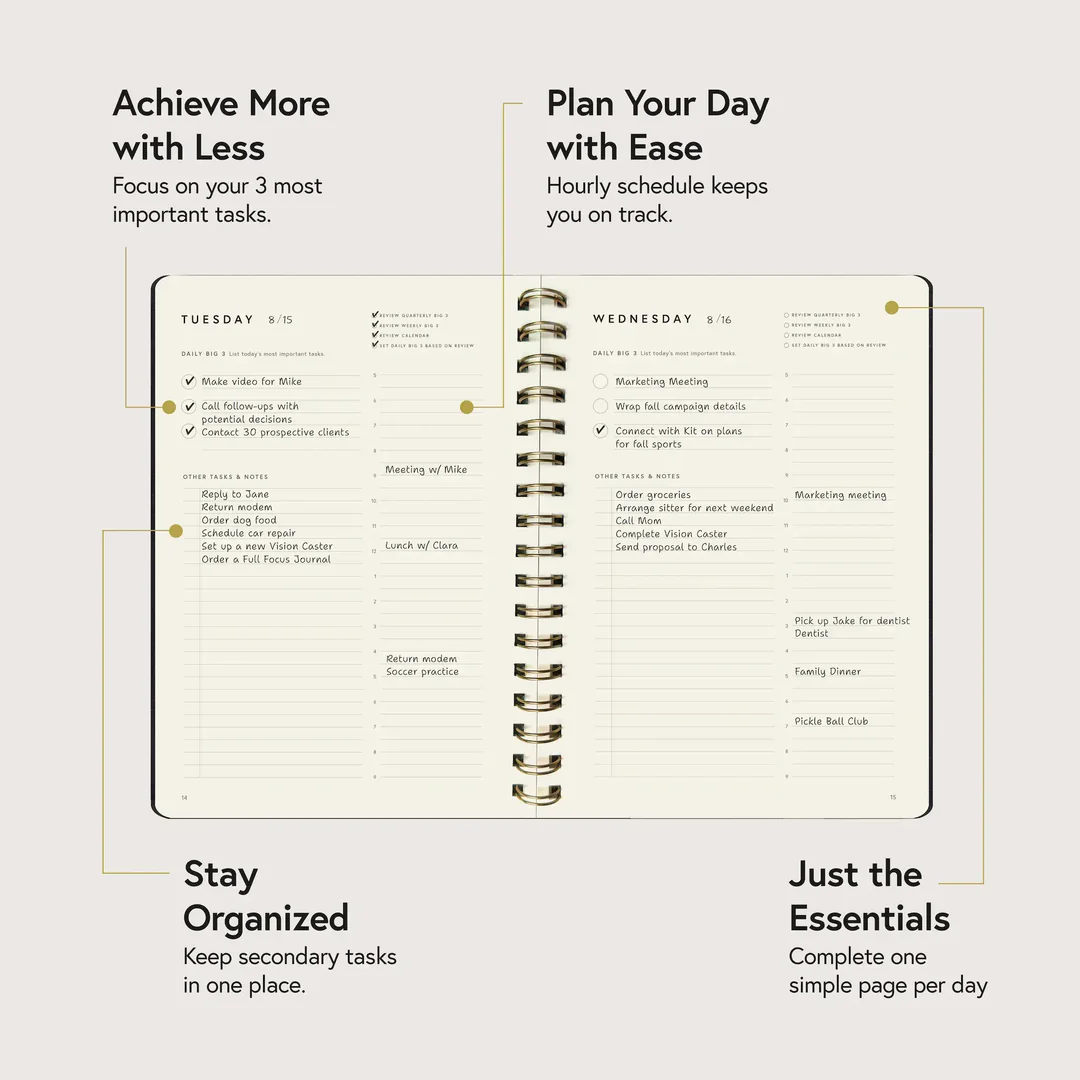
Large, undefined workloads amplify stress. By dividing your responsibilities into smaller, clearly defined tasks, you reduce cognitive overload and create a sense of progress.
Focus on completing one task at a time, rather than trying to manage everything simultaneously.
Redefine What “Productive” Means
During burnout, expecting peak performance is unrealistic. Productivity should be reframed as consistent, manageable output, not maximum intensity.
Even completing 60–70% of your usual workload is still progress.
Take Strategic Breaks (Not Random Ones)
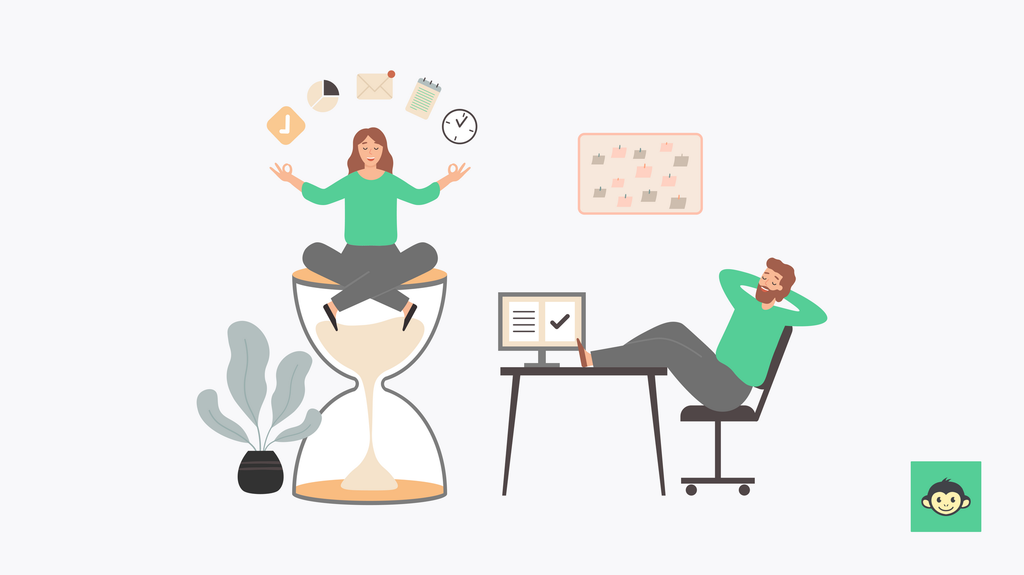
Unstructured breaks often turn into distractions. Instead, use structured methods like:
- 25–50 minutes of work
- 5–10 minutes of rest
This maintains focus while preventing mental fatigue from accumulating.

Change Your Work Environment
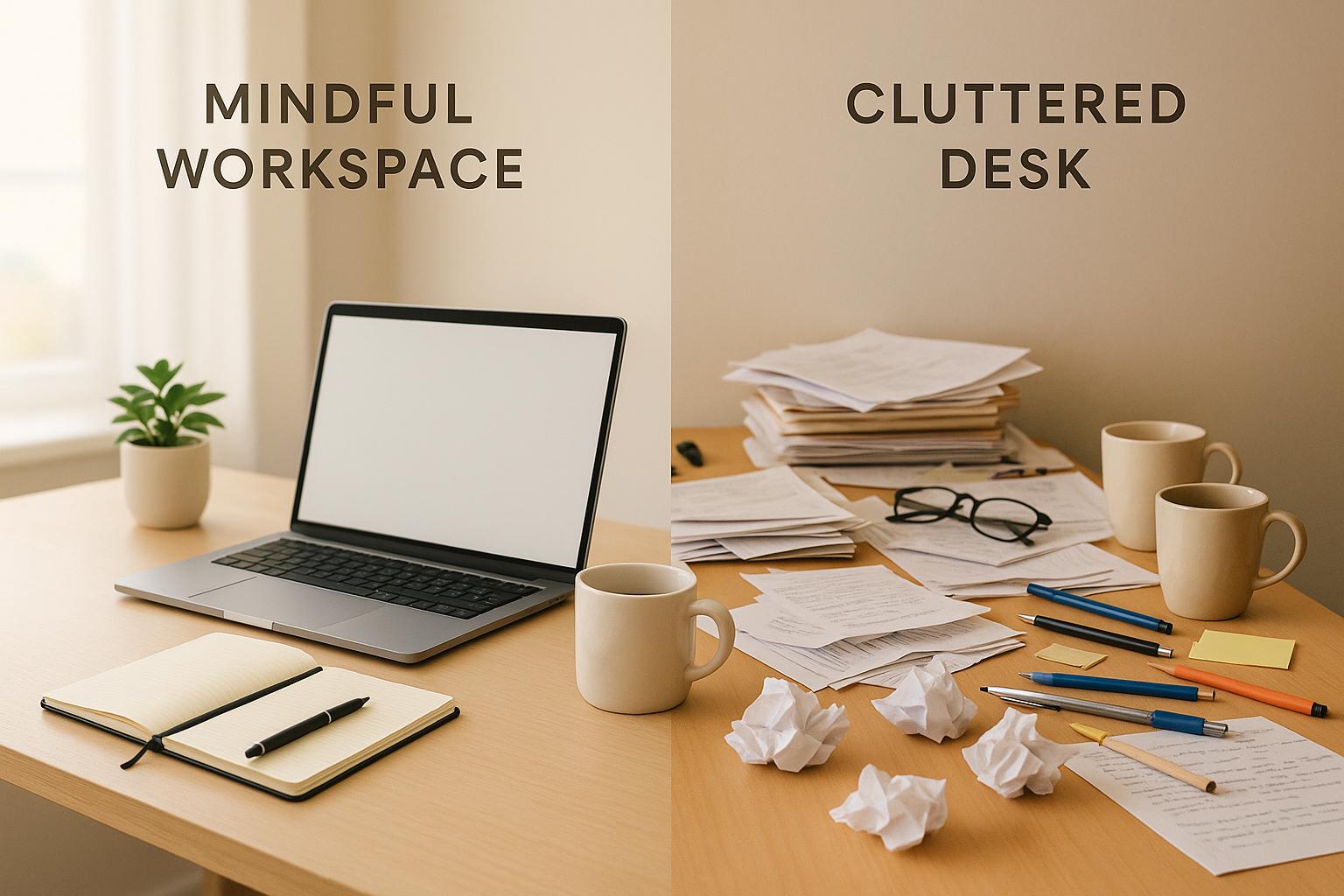
A stagnant environment reinforces burnout. Small changes, such as reorganizing your desk, adding natural light, or working from a different location, can improve mood and concentration.

Conclusion
Staying motivated during burnout is less about increasing effort and more about managing energy, expectations, and structure. By simplifying tasks, reducing pressure, and prioritizing recovery, it is possible to regain stability and gradually rebuild motivation.
The objective is not to return immediately to peak performance, but to establish a sustainable rhythm that supports long-term productivity and well-being.